

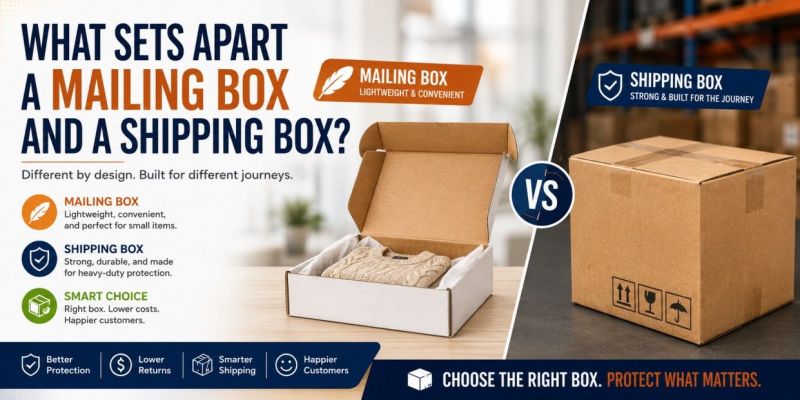
We’ve all been there. You’re preparing to send inventory, move household items, or fulfill customer orders, and you pause at one question: What’s the real difference between a mailing box and a shipping box? They look similar at first glance, but choosing the wrong one can mean crushed products, higher costs, and unhappy customers.
When we know the structure, purpose, and strength of each, we make smarter packaging decisions that protect products and control expenses.
Key Highlights
- The difference between a mailing box and a shipping box comes down to durability, material, and intended use.
- A mailing box is typically lighter and ideal for small, less fragile items.
- A shipping box is built from corrugated material and designed for heavier loads and long-distance transport.
- The debate of mailing box vs shipping box depends on weight, fragility, and transit conditions.
- Not all mailing boxes are strong enough for freight-level handling.
- Correct choices reduce returns, damage claims, and overall logistics costs.
What Is a Mailing Box?
Mailing Box Definition
A clear mailing box definition: a lightweight packaging box designed primarily for sending smaller, lighter products through postal or courier services. These boxes often prioritize presentation and convenience over heavy-duty protection.
When customers ask, "What is a mailing box?" we explain that it’s commonly used for direct-to-consumer shipments that don't require industrial-grade durability.
Types of Mailing Boxes
The most common types of mailing boxes include tuck-top mailers, tab-lock mailers, self-locking mailers, and lightweight corrugated mailers. Many are designed to fold together without extra tape, making them efficient for e-commerce fulfillment.
Mailing Box Uses
Typical mailing box uses include shipping clothing, books, cosmetics, small electronics accessories, and subscription kits. These boxes work well when products are lightweight and already protected internally.
Here’s a quick reference:
|
Feature |
Mailing Box |
|
Material |
Paperboard or light corrugated |
|
Weight Capacity |
Light to moderate |
|
Primary Focus |
Presentation and convenience |
|
Best For |
Small retail shipments |
|
Cost |
Lower upfront cost |
What Is a Shipping Box?
Shipping Box Definition
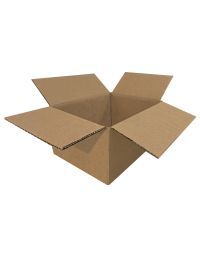
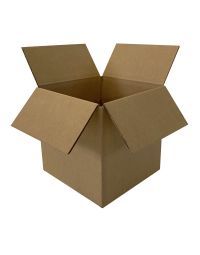
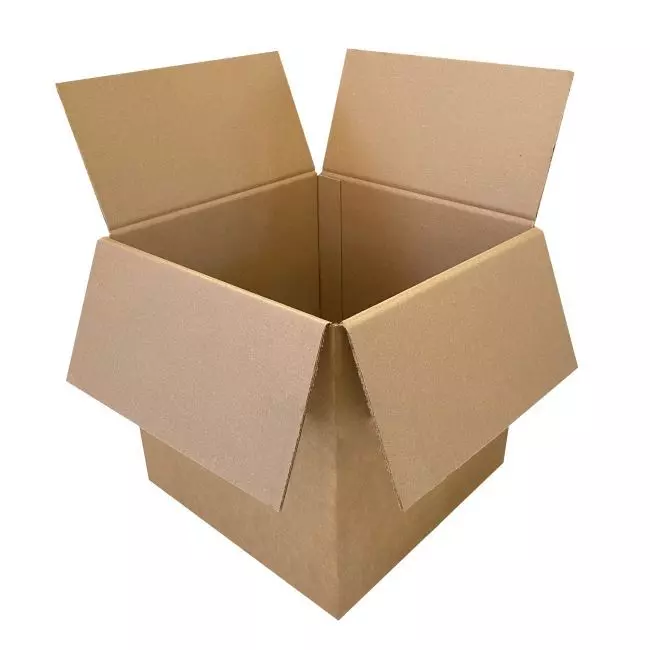
A straightforward shipping box definition: a corrugated container engineered to protect goods during stacking, warehousing, and transportation over long distances.
When people ask, What is a shipping box, we describe it as the backbone of logistics. It is built for strength, not just appearance.
Types of Shipping Boxes
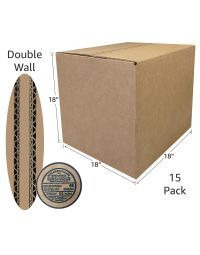
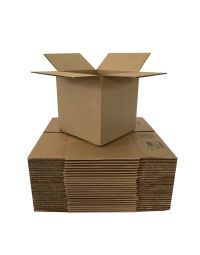
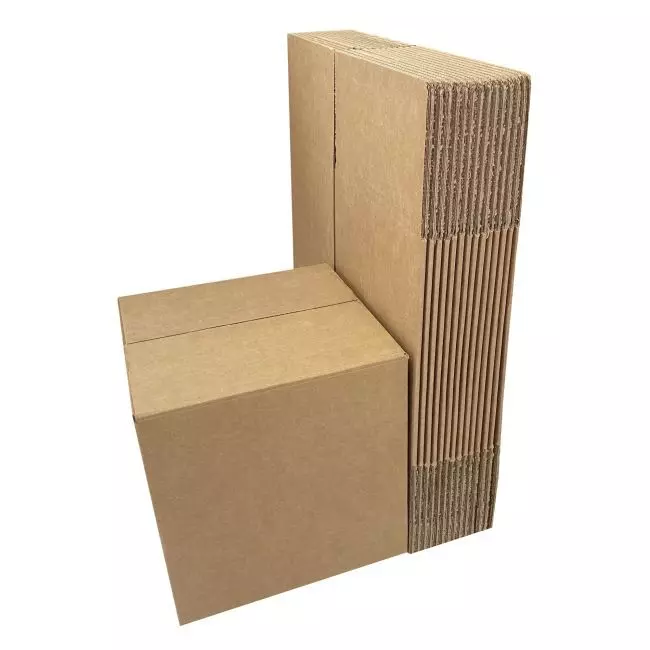
The commonest types of shipping boxes include single-wall corrugated boxes, double-wall corrugated boxes, heavy-duty moving cartons, and standard slotted containers. These are built to withstand compression and impact.
Shipping Box Uses
Common shipping box uses include transporting bulk goods, shipping electronics, moving household items, distributing warehouse inventory, and protecting fragile products.
|
Feature |
Shipping Box |
|
Material |
Corrugated cardboard |
|
Weight Capacity |
Moderate to heavy |
|
Primary Focus |
Protection and durability |
|
Best For |
Freight and heavy shipping |
|
Stackability |
High |
Mailing Box vs Shipping Box: Side-by-Side Comparison
The comparison between mailing boxes and shipping boxes becomes clearer when we examine their structural differences.
|
Criteria |
Mailing Box |
Shipping Box |
|
Material Strength |
Light to moderate |
Strong corrugated |
|
Protection Level |
Moderate |
High |
|
Ideal Weight |
Under 10–15 lbs |
15 lbs and above |
|
Transit Distance |
Short to medium |
Long-distance |
|
Stacking Resistance |
Limited |
Strong |
When evaluating a shipping box vs a mailing box, we focus on protection first. If a package will face stacking pressure, rough handling, or long transit times, a shipping box is typically the safer choice.
The discussion of mailing boxes vs shipping boxes often centers on cost. Mailing boxes cost less initially, but shipping boxes reduce the risk of damage.
Mailing Box vs Corrugated Box: Clearing Up Confusion
Many people compare a mailing box vs a corrugated box, but these terms are not interchangeable.
A mailing box refers to a function. A corrugated box refers to a material. Some mailing boxes are made from light corrugated board, while most shipping boxes use thicker corrugated layers.
|
Term |
Meaning |
|
Mailing Box |
Defined by usage |
|
Corrugated Box |
Defined by structure and material |
Understanding this distinction helps avoid ordering packaging that looks correct but lacks the required strength.
Are Mailing Boxes Good for Shipping?
The question of whether mailing boxes are suitable for shipping depends on what you’re sending.
If you’re shipping lightweight apparel, documents, or boxed retail items with minimal fragility, mailing boxes are a good choice. However, they are not ideal for heavy goods, glassware, or products that require stacking in distribution centers.
We always recommend evaluating weight, fragility, and transit conditions before selecting packaging. Using a lightweight box for heavy goods increases the risk of damage and returns.
Cost vs Protection: The Real Trade-Off
The core of the difference between a mailing box and a shipping box often comes down to balancing cost and protection.
Mailing boxes reduce upfront packaging costs and improve presentation. Shipping boxes increase durability and reduce damage-related losses.
Businesses that ship fragile or valuable items often save more in the long run by choosing stronger corrugated options. A damaged product costs more than the price difference between box types.
When Should You Choose a Mailing Box?
We typically recommend a mailing box when:
- Products are lightweight.
- Presentation matters.
- Transit is short.
- The item is not fragile.
- The box will not be stacked under heavy loads.
This is why many subscription services rely on mailers for branding and cost efficiency.
When Should You Choose a Shipping Box?
A shipping box is the better choice when:
- Items are heavy or fragile.
- Products travel long distances.
- Boxes will be palletized or stacked.
- You operate at warehouse scale.
- Returns from damage are a concern.
In these situations, durability outweighs presentation.
Common Packaging Mistakes Businesses Make
One of the most common errors we see is choosing packaging based only on price. While saving a few cents per box may seem like a smart move, it often leads to higher costs in the form of damaged products, returns, refunds, and negative customer reviews. The initial savings disappear quickly when a box fails during transit. Packaging should always be evaluated based on total shipping performance, not just unit cost.
Another frequent mistake is assuming that all boxes labeled as “mailers” offer the same level of protection. Not every mailer is designed to handle stacking pressure, rough handling, or long-distance transport. Using a lightweight mailer for heavier or fragile goods increases the risk of crushed corners and product damage. Understanding material strength and load capacity is essential before placing bulk orders.
We also see businesses using oversized shipping cartons for lightweight products. This not only wastes material but also increases dimensional weight charges, leading to higher shipping fees. Extra empty space inside the box often requires more filler, which adds cost and time to packing operations.
Choosing the correct box size and strength improves operational efficiency, protects products, lowers return rates, and keeps shipping expenses under control. Smart packaging decisions support both profitability and customer satisfaction.
Final Takeaway: Making the Smart Packaging Decision
The difference between a mailing box and a shipping box is not cosmetic. It’s structural. Mailing boxes prioritize presentation and lightweight convenience. Shipping boxes prioritize strength and protection.
When we match packaging to product weight, fragility, and transit conditions, we prevent damage, reduce returns, and protect brand reputation.
At StarBoxes, we don’t just sell boxes. We help businesses select the right packaging system for their shipping environment. Whether you need lightweight mailers for eCommerce fulfillment or heavy-duty corrugated cartons for bulk transport, our team ensures you get packaging that performs under real-world conditions.
If you’re evaluating mailing box vs shipping box options for your business, check out StarBoxes’ full range of mailing boxes, corrugated shipping cartons, and protective packaging solutions designed to meet modern logistics demands.
FAQs
1. What is the main difference between a mailing box and a shipping box?
The primary difference between a mailing box and a shipping box lies in material strength and intended use. Mailing boxes are lighter and suitable for small items, while shipping boxes are corrugated and built for heavier loads.
2. Can I use a mailing box for heavy items?
Mailing boxes are not ideal for heavy items. Heavier products require corrugated shipping boxes designed to withstand stacking and handling stress.
3. Are shipping boxes always corrugated?
Yes, shipping boxes are typically made from corrugated cardboard to provide structural support and durability during transit.
4. Which is more cost-effective: mailing boxes or shipping boxes?
Mailing boxes have lower upfront costs. Shipping boxes may save more long term by reducing damage and return expenses.
5. How do I know which box type I need?
Evaluate your product’s weight, fragility, and transit conditions. If durability and stacking resistance are necessary, choose a shipping box. If the product is lightweight and presentation matters, a mailing box may be sufficient.