

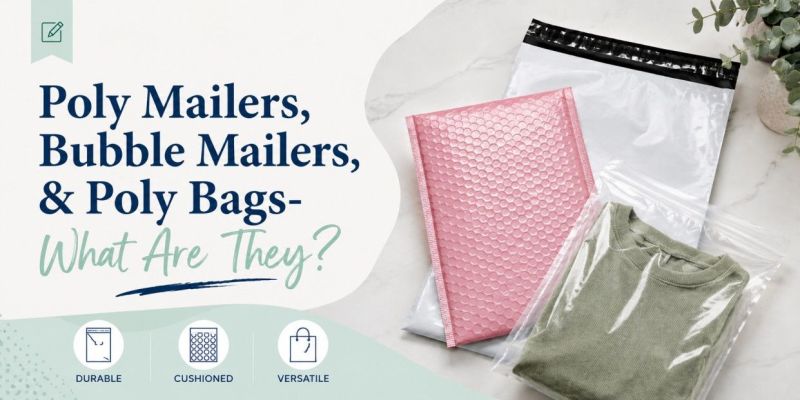
If you’re shipping products, the packaging you choose directly affects your costs, delivery success, and customer experience. Poly mailers, bubble mailers, and poly bags are three of the most widely used shipping bags for small businesses and e-commerce sellers. Each serves a different role. Poly mailers keep costs low for lightweight items, bubble mailers add protection for delicate products, and poly bags handle internal packaging and organization. Choosing the right one means fewer damaged orders and better margins.
Key Highlights
- Poly mailers are best for lightweight, non-fragile items
- Bubble mailers provide built-in cushioning for delicate products
- Poly bags are used for storage, bundling, or internal packaging
- The wrong choice can increase returns and shipping costs
- Most businesses use a mix of all three for efficiency
What Are Poly Mailers?
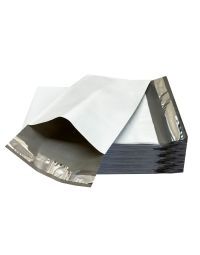
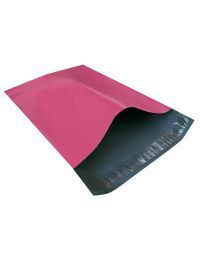
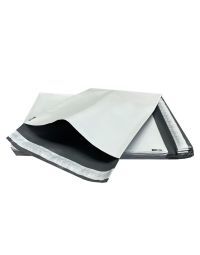
Poly mailers are lightweight plastic shipping envelopes made from polyethylene. They’re designed for direct shipping and come with a self-sealing adhesive strip.
Where We Use Poly Mailers
We rely on poly mailers when shipping-
- Clothing and apparel
- Soft goods like t-shirts, hoodies, and fabric items
- Documents or flat items
- Non-fragile ecommerce products
Why Poly Mailers Work
- Lightweight shipping bags reduce postage costs
- Water-resistant material protects against moisture
- Flexible design saves storage space
- Quick packing speeds up fulfillment
Where They Fall Short
Poly mailers don’t provide cushioning. If the item is easily breakable, crackable, or scratchable, this isn’t the right choice.
What Are Bubble Mailers?
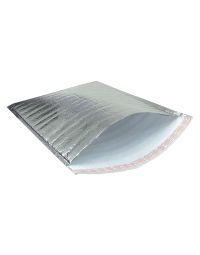
Bubble mailers are padded mailer bags that include an inner layer of air-filled bubble wrap. They combine the flexibility of mailers with added protection.
Where We Use Bubble Mailers
Bubble mailers are a better fit for-
- Small electronics
- Jewelry and accessories
- Cosmetics or skincare items
- Products that can scratch or dent
Why Bubble Mailers Work
- Built-in cushioning absorbs impact during transit
- Still lighter than boxes in many cases
- Offers a more secure feel for customers
Trade-Offs to Consider
- Higher cost compared to poly mailers
- Slightly heavier, which can affect shipping rates
- Bulkier to store in large quantities
What Are Poly Bags?
Poly bags are simple plastic bags without padding or built-in sealing for shipping. They’re mainly used for internal packaging rather than direct delivery.
Where We Use Poly Bags
Poly bags are ideal for-
- Protecting items before placing them in a mailer
- Organizing inventory
- Bundling multiple items together
- Keeping products clean and moisture-free
Why Poly Bags Matter
- Cost-effective and versatile
- Helps maintain product condition
- Adds an extra layer of protection inside the packaging
Limitations
Poly bags are not designed for use alone in shipping. They need an outer layer, such as a mailer or box.
Poly Mailers vs Bubble Mailers
Choosing between poly mailers and bubble mailers comes down to protection vs cost.
Quick Comparison
|
Feature |
Poly Mailers |
Bubble Mailers |
|
Protection |
Minimal |
Moderate cushioning |
|
Weight |
Very light |
Slightly heavier |
|
Cost |
Lower |
Higher |
|
Best Use |
Clothing, soft goods |
Fragile or delicate items |
|
Shipping Cost Impact |
Lowest |
Slightly higher |
|
Structure |
Single-layer plastic |
Padded interior |
When We Choose Poly Mailers
-
The product is durable
- Shipping cost is a priority
- High-volume orders need efficiency
When We Choose Bubble Mailers
- The item needs protection from impact
- Product value justifies the added cost
- Customer experience matters more than saving a few cents
Poly Bags vs Poly Mailers
These two are often confused, but they serve completely different roles.
Key Differences
|
Feature |
Poly Bags |
Poly Mailers |
|
Purpose |
Internal packaging |
Shipping |
|
Seal |
Open or zip-style |
Self-adhesive |
|
Protection |
Minimal |
Weather and tear resistance |
|
Usage |
Inside packaging |
Direct delivery |
When We Use Poly Bags
- As an inner protective layer
- For organizing SKUs
- To bundle multiple products
When We Use Poly Mailers
- As the final shipping packaging
- For direct-to-customer delivery
Types of Shipping Mailers Businesses Use
Beyond poly and bubble options, businesses today use several types of shipping mailers depending on product needs-
- Poly mailers
- Bubble mailers
- Paper mailers
- Rigid mailers
- Custom-branded plastic shipping envelopes
How Packaging Has Shifted
We’re seeing a clear move toward lightweight shipping bags. They reduce shipping costs and simplify operations, especially for e-commerce brands handling large order volumes.
How to Choose the Right Shipping Bags for Your Business
Making the right choice isn’t about picking one option. It’s about matching packaging to your product and shipping strategy.
1. Know Your Product
Start with the basics-
- Is it fragile or durable?
- Does it scratch easily?
- What’s the weight and shape?
Soft items work well in poly mailers. Fragile items need padded mailer bags.
2. Consider Shipping Costs
Packaging affects what you pay-
- Lighter packaging reduces postage
- Bulkier packaging increases dimensional weight
- Small changes add up at scale
3. Evaluate Protection Needs
Damage costs more than packaging-
- Returns and replacements eat into margins
- Poor packaging leads to negative reviews
- A small upgrade can prevent larger losses
4. Think About Customer Experience
Packaging is part of your brand-
- Clean, secure packaging builds trust
- Damaged deliveries hurt perception
- Consistency matters as you scale
5. Plan for Efficiency
As order volume grows-
- Storage space becomes important
- Packing speed affects operations
- Standardized packaging simplifies workflows
Reliable suppliers like StarBoxes help maintain consistency in quality and supply, which becomes critical as your business scales.
Common Mistakes Businesses Make with Shipping Mailers
We see the same patterns across growing businesses, and most of them come down to small decisions that quietly increase costs or risk.
Using Poly Mailers for Fragile Items
Poly mailers are great for soft goods, but they offer no cushioning. When fragile items are shipped this way, even minor handling can lead to cracks, dents, or returns. What looks like a cost-saving move often ends up costing more and leaving unhappy customers.
Overusing Bubble Mailers
On the other side, many businesses default to padded mailer bags for everything. While bubble mailers provide protection, using them for durable items adds unnecessary weight and cost. Over time, this eats into margins, especially at scale.
Skipping Poly Bags for Internal Protection
Products shipped without inner protection are exposed to dust, moisture, and friction. A simple poly bag can prevent scratches, keep items clean, and improve presentation when the package is opened.
Ignoring Packaging Size Optimization
Using oversized mailers increases dimensional weight and shipping fees. It also allows items to shift during transit, increasing the risk of damage.
Choosing Based Only on Price
The cheapest packaging option is rarely the most cost-effective. Returns, damage, and poor customer experience carry hidden costs.
Final Takeaway
There’s no single packaging option that works for every product. The right choice depends on what you ship, the level of protection the item needs, and how you want the order to arrive. Poly mailers work well for lightweight, non-fragile products. Bubble mailers are better when items need cushioning. Poly bags help with internal organization, product protection, and cleaner packing before the item is placed in a box or mailer.
When we match the packaging to the product, we reduce damage, control shipping costs, and create a better customer experience. That matters whether you’re shipping online orders, moving supplies, retail products, or business inventory.
At StarBoxes, we offer practical packaging and shipping products built for real packing needs. Shop our poly mailers, bubble mailers, poly bags, boxes, tape, and moving supplies to pack smarter and ship with confidence.
FAQs
1. What are poly mailers used for?
Poly mailers are used for shipping lightweight, non-fragile items like clothing, documents, and soft goods.
2. What are bubble mailers best for?
Bubble mailers are best for items that need cushioning, such as electronics, accessories, and delicate products.
3. What is the difference between a poly mailer and a bubble mailer?
Poly mailers have no padding, while bubble mailers include a protective inner layer for shock absorption.
4. Can poly bags be used for shipping?
Poly bags are not suitable for standalone shipping. They are used as internal packaging inside mailers or boxes.
5. Which packaging is best for small business shipping?
Most small businesses use a mix of poly mailers, bubble mailers, and poly bags to balance cost, protection, and flexibility.