

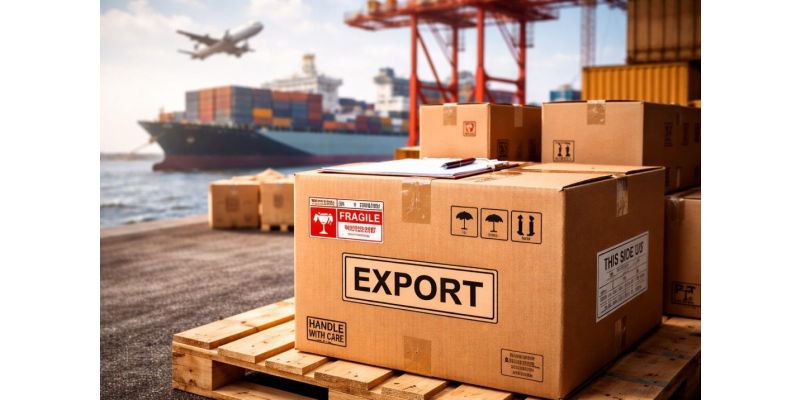
A 5,000-mile journey. Three different cargo ships. Two humid warehouses. And one forklift driver is having a bad day. Your package will be loaded, unloaded, sorted, scanned, and handled by at least 6–10 different people before it reaches your customer overseas. It'll survive conveyor belts, pressure changes, humidity, and sea salt air.
The question isn't whether your product is packaged, it's whether it's packaged to survive.
When you ship boxes internationally, the difference between a satisfied customer and a "Refund Requested" email usually comes down to the structural integrity of your cardboard. Domestic shipping is a sprint; international shipping is an ultramarathon through a gauntlet. If you want your products to arrive in showroom condition, you need to stop thinking about "mailers" and start thinking about "armour."
Here is everything you need to know about choosing the best boxes for international shipping.
Key Highlights
- Heavy duty boxes for international shipping are non-negotiable for fragile, heavy, or high-value goods.
- Double-wall corrugated cardboard is the gold standard material for shipping boxes abroad.
- Box size, weight limits, and material strength directly impact both safety and shipping costs.
- Proper labelling and customs documentation are just as important as the box itself.
- Always use new or near-new boxes; used boxes compromise structural integrity.
- Speciality packaging (wooden crates, foam-lined boxes) is available for extremely fragile or oddly shaped items.
Why Does Box Choice Matter So Much for International Shipping?
When you ship boxes internationally, your package passes through multiple hands: warehouse workers, airline cargo staff, port handlers, customs inspectors, and final-mile delivery agents. Each transfer point is a new opportunity for damage. Long transit times mean more exposure to humidity, temperature changes, and compression from stacked cargo.
A standard cardboard box that holds up fine for a local delivery simply isn't built to survive weeks at sea or days in an airport cargo hold. That's why investing in the right international shipping boxes from the start saves you money, protects your reputation, and keeps your customers happy.
The Main Types of International Shipping Boxes
Not all boxes are created equal. Here are the most commonly used types when you need to ship boxes internationally:
1. Heavy Duty Boxes for International Shipping
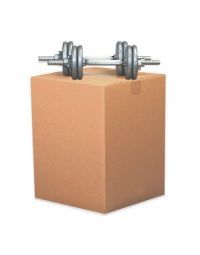
When it comes to protecting valuable or weighty items, heavy duty boxes for international shipping are the clear frontrunners. Made from thick, reinforced cardboard with typically double or triple-wall construction, these boxes can shrug off scratches, dings, pressure, and bumps that would destroy ordinary packaging.
Heavy duty shipping boxes are ideal for:
- Electronics, machinery parts, and tools
- Dense or heavy items that create internal pressure
- Products shipped via ocean freight (longer transit, more handling)
- Businesses looking to reduce damage claims and product returns
2. Double-Wall Corrugated Cardboard Boxes
Corrugated cardboard boxes are the industry standard for shipping boxes abroad, and double-wall variants offer the best balance of protection and cost. The fluted inner layer absorbs shock and compression, while the outer layers resist tears and moisture.
According to packaging experts, double-wall corrugated cardboard is especially well-suited for international transit because it's built to withstand rough seas, multiple handling stages, and the weight of stacked cargo.
3. Large Packing Boxes
For bulkier shipments, large packing boxes provide the space needed to consolidate multiple items in one shipment. They can be reinforced with internal dividers and cushioning to handle heavier loads, making them a versatile choice for diverse shipping needs. Keep in mind that individual boxes should not exceed 30 kg (66 lbs); split heavier loads across multiple containers.
4. Speciality and Fragile-Item Boxes
Glassware, ceramics, artwork, and scientific instruments all require more than a standard box. Speciality international shipping boxes for fragile items come with foam inserts, custom compartments, and reinforced walls. One industry case study found that switching from standard to speciality boxes cut breakage rates by 90% saving thousands in replacements and returns.
5. Wooden Crates and Palletised Packaging
For extremely large, heavy, or oddly shaped goods, such as machinery, pianos, motorcycles, or industrial equipment, wooden crates offer maximum rigidity and protection. However, they must comply with ISPM 15 international standards, which regulate the heat treatment of wood to prevent the spread of invasive pests across borders. Wooden crates are typically palletised, and their additional weight can increase shipping costs significantly.
What to Look for When Choosing the Best Boxes for International Shipping
Knowing the types is just the start. Here's what to evaluate before you finalise your packaging choice:
Material Durability
The box must withstand moisture, temperature variation, stacking pressure, and rough handling. Look for boxes made from virgin (not recycled) corrugated fibre for the highest strength ratings. Always choose new or near-new boxes; used boxes from supermarkets or previous shipments have already weakened and can compromise your shipment.
Box Size and Fit
Choose a box that fits your items snugly, with 5–8 cm of space on all sides for cushioning material. A box that's too large allows items to shift and collide; a box that's too small creates pressure points. Overfilling can cause the box to burst during handling.
Weight Capacity
Always check the box's Edge Crush Test (ECT) or Burst Strength rating. These ratings indicate how much stacking pressure and impact the box can handle. For heavier goods, select a box rated well above your actual shipment weight to build in a safety margin.
Compliance with International Standards
Many carriers and destination countries have specific packaging requirements. When shipping a box internationally, ensure your box is certified for international transport and that any wooden elements meet ISPM 15 regulations. Check the destination country's customs portal for any import-specific packaging rules.
|
Pro Tips for Choosing & Packing Your International Shipping Box
|
How to Ship a Box Internationally: A Step-by-Step Overview
Understanding how to ship boxes overseas goes beyond picking the right container. Here's a concise process overview:
Step 1 — Choose the Right Box
Select a box appropriate for your item's weight, fragility, and dimensions. For most goods, a double-wall corrugated box is the safest choice. For heavier or more valuable items, opt for heavy duty boxes for international shipping with a high ECT rating.
Step 2 — Pack Carefully
Wrap each item individually, place heavier items at the bottom, fill voids with cushioning material, and seal the box with strong 2-inch wide packing tape using the H-tape method.
Step 3 — Label Correctly
Attach a clear shipping label to a flat, smooth surface of the box (not over seams or tape). Include labels on multiple sides where required. Remove or black out any old shipping information. When learning how to ship a box internationally, correct labelling is one of the most overlooked but critical steps.
Step 4 — Complete Customs Documentation
Every international shipment requires a customs form. You must provide a detailed, specific description of each item (e.g., "cotton T-shirt", not "clothing"), its value, country of origin, and the Harmonised System (HS) Code. Inaccurate or incomplete documentation can lead to delays, fines, or destruction of your goods.
The most common documents required when shipping boxes abroad include a Commercial Invoice, Packing List, Bill of Lading or Air Waybill, and, where applicable, a Certificate of Origin or Export Licence.
Step 5 — Select Your Shipping Service
Choose a carrier and service level based on your timeline, budget, and destination. Major international carriers offer express, economy, and freight options. Compare costs carefully. Dimensional weight pricing means a large, light box can be just as expensive as a heavy one.
Heavy Duty Boxes for International Shipping: What Makes Them Different?
If you regularly ship heavy, dense, or high-value items internationally, standard cardboard boxes are not sufficient. Here's what sets heavy duty options apart:
|
Box Type |
Wall Construction |
Best For |
Durability |
|---|---|---|---|
|
Single-Wall Corrugated |
3-ply |
Light items, books, clothing |
★★☆☆☆ |
|
Double-Wall Corrugated |
5-ply |
Most international shipments |
★★★★☆ |
|
Triple-Wall Corrugated |
7-ply |
Heavy machinery, bulk goods |
★★★★★ |
|
Wooden Crate |
Solid timber |
Oversized, oddly-shaped items |
★★★★★ |
At Starboxes, we offer a comprehensive range of heavy duty boxes for international shipping designed to meet the demands of cross-border logistics, from double-wall corrugated boxes for standard commercial shipments to heavy-duty reinforced options for industrial goods.
Common Mistakes to Avoid When Shipping Boxes Abroad
- Using old or previously used boxes: These have already weakened from moisture and handling. Always use new boxes for international shipments.
- Ignoring dimensional weight pricing: Carriers charge based on whichever is greater actual weight or dimensional weight. Oversized boxes inflate your shipping bill even if they're lightly packed.
- Underfilling the box: Space allows contents to shift during transit. Fill all voids with appropriate cushioning material.
- Poor sealing: Standard office tape is not sufficient. Use 2-inch wide packing tape applied in the H-tape pattern across all seams.
- Vague customs descriptions: Writing "electronics" or "clothing" on customs forms leads to delays. Be specific: "USB-C laptop charger" or "100% cotton crew neck T-shirt".
- Not accounting for customs duties: Research the destination country's import duties before shipping. Unexpected charges can be passed to the recipient, creating a poor customer experience.
FAQs
Q1: What is the best box material for international shipping?
Double-wall corrugated cardboard is ideal for most shipments, offering strength and cost efficiency. For heavy items, use triple-wall boxes or wooden crates.
Q2: Can I reuse a box to ship internationally?
Not recommended. Used boxes lose strength due to moisture and handling. Always use new boxes for international shipping.
Q3: How heavy can a box be for international shipping?
Most carriers recommend a maximum of 30 kg (66 lbs) per box. Check specific limits with your carrier.
Q4: What documents are required for shipping boxes abroad?
Typically includes a Commercial Invoice, Packing List, and Bill of Lading or Air Waybill. Additional documents may be required based on shipment type.
Q5: How do I know if my box meets international standards?
Look for certified boxes or international-use labels. Wooden packaging should have the ISPM 15 marking.
Q6: What’s the difference between shipping boxes and moving boxes?
Shipping boxes are built for long-distance transit and handling stress. Moving boxes are not suitable for international shipping.
Q7: How do I choose the right box size?
Select a box with 5–8 cm cushioning space around the item. Avoid boxes that are too tight or too large.
Ready to Ship Boxes Internationally the Right Way?
Choosing the right international shipping box isn't just about protecting your product; it's about protecting your reputation, reducing costs, and giving your customers confidence that their order will arrive intact. Whether you need heavy duty boxes for international shipping, speciality fragile-item packaging, or sustainable corrugated solutions, the right box starts with the right supplier.
Explore the full range of international shipping boxes at Starboxes, built for the demands of cross-border commerce, backed by quality you can count on.