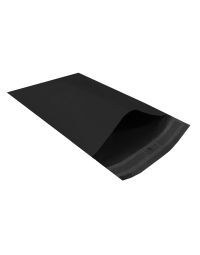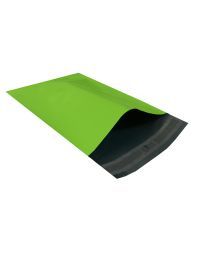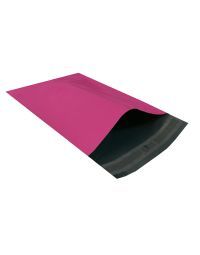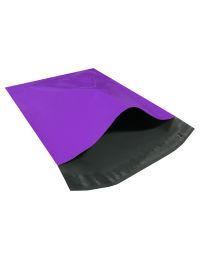


Nothing ruins a smooth sale faster than a tee that shows up wrinkled, scuffed, or halfway out of the package. We can prevent most of those headaches with the right shipping bags for clothing. The goal is simple- choose a bag that fits the garment, holds up in transit, and keeps shipping costs under control. Whether we’re shipping daily orders, mailing a few items from a closet cleanout, or packing apparel for a move, poly bags work well when we match size and strength to what’s inside.
Key Highlights
- Choose poly mailers for shipping clothes based on the folded garment size, not the unfolded size.
- A right-sized mailer reduces “shipping air,” lowers waste, and helps packages handle better in transit.
- Thickness (mil) controls tear resistance and seam strength- heavier bundles need thicker mailers.
- Self-seal closures speed up packing and reduce reliance on extra tape.
- Clear inner bags keep items clean, tidy, and better protected inside the outer mailer.
- For sharp hardware, structured items, or high-end pieces that crease easily, switching to a box is often more sensible.
Why Poly Bags Work So Well for Clothing Shipments
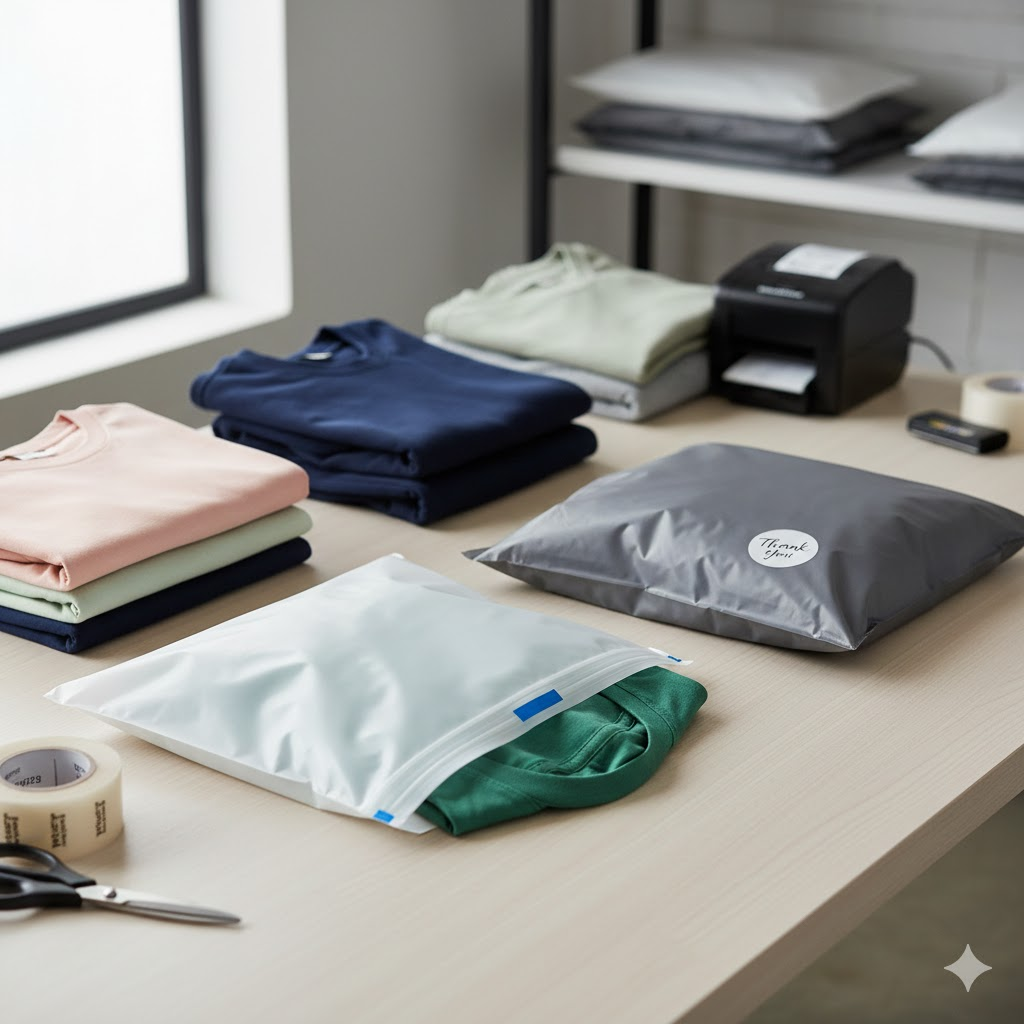
Clothing ships differently from fragile products. Most apparel doesn’t need rigid walls. It needs protection from moisture, dirt, and rough handling. That’s why garment shipping bags are such a practical option for sellers, businesses, movers, and anyone mailing clothing.
Poly mailers remain lightweight, helping control shipping costs. They resist rain and splashes better than paper packaging. They also store easily, pack quickly, and keep fulfillment simple when we ship often.
A quick comparison helps clarify when poly mailers win.
|
Packaging option |
Best for |
Pros |
Trade-offs |
|
Poly mailer |
tees, leggings, hoodies, most apparel |
light, water-resistant, fast to pack |
limited structure |
|
Box |
structured items, high-end garments, sets |
shape protection, presentation |
higher cost, more weight |
|
Padded mailer |
items needing cushioning |
added protection |
costs more, thicker package |
Most apparel fits the poly mailer lane. We just have to choose the right one.
Pick the Right Strength
Thickness drives performance. Poly bag thickness is measured in “mil.” A higher mil number usually means better tear resistance and stronger seams. But thicker doesn’t automatically mean better. Too thick can cost more than necessary and can create bulky folds that trap air.
Use this table as a practical starting point.
|
Shipment type |
Typical contents |
Suggested thickness |
Why it helps |
|
Light single item |
tee, thin top, socks |
1.5–2.0 mil |
keeps weight low while staying serviceable |
|
Standard order |
2–3 tees, leggings |
2.0–2.5 mil |
improves seam strength for stacked items |
|
Bulky item |
hoodie, sweatshirt |
2.5–3.0 mil |
handles thicker folds and corner stress |
|
Heavy fabric |
jeans, jacket |
3.0–4.0 mil |
reduces puncture risk and tearing |
|
Mixed bundle |
denim + tees + add-ons |
3.0–4.0 mil |
protects against uneven loads and hard edges |
|
Moving packs |
grouped clothing bundles |
2.5–4.0 mil |
stands up to repeated handling |
Choose the Right Size So We Don’t Pay to Ship Air
Sizing mistakes cost money and cause damage. A mailer that’s too small forces the garment in and stresses seams. A mailer that’s too big adds slack that catches, tears, and ships extra air. The best approach is consistent measurement.
Here’s a simple reference chart we can use when picking mailing bags for clothes.
|
Common mailer size (in) |
Best for |
Typical fit examples |
Fit note |
|
6 x 9 |
tiny items |
socks, ties, baby clothing |
tight and tidy |
|
9 x 12 |
single light items |
tee, thin leggings |
great baseline |
|
10 x 13 |
thicker single items |
Polo, heavier tee |
less stuffing |
|
12 x 15.5 |
multi-item orders |
2–3 tees, leggings bundle |
balanced room |
|
14.5 x 19 |
bulky garments |
hoodie, jeans |
avoids seam stress |
|
19 x 24 |
large bundles |
jackets, moving stacks |
space for volume |
When we pick shipping bags for clothes, we want “snug without strain.” That usually produces flatter shipments, fewer splits, and fewer issues at drop-off.
Match Bag Type to the Job
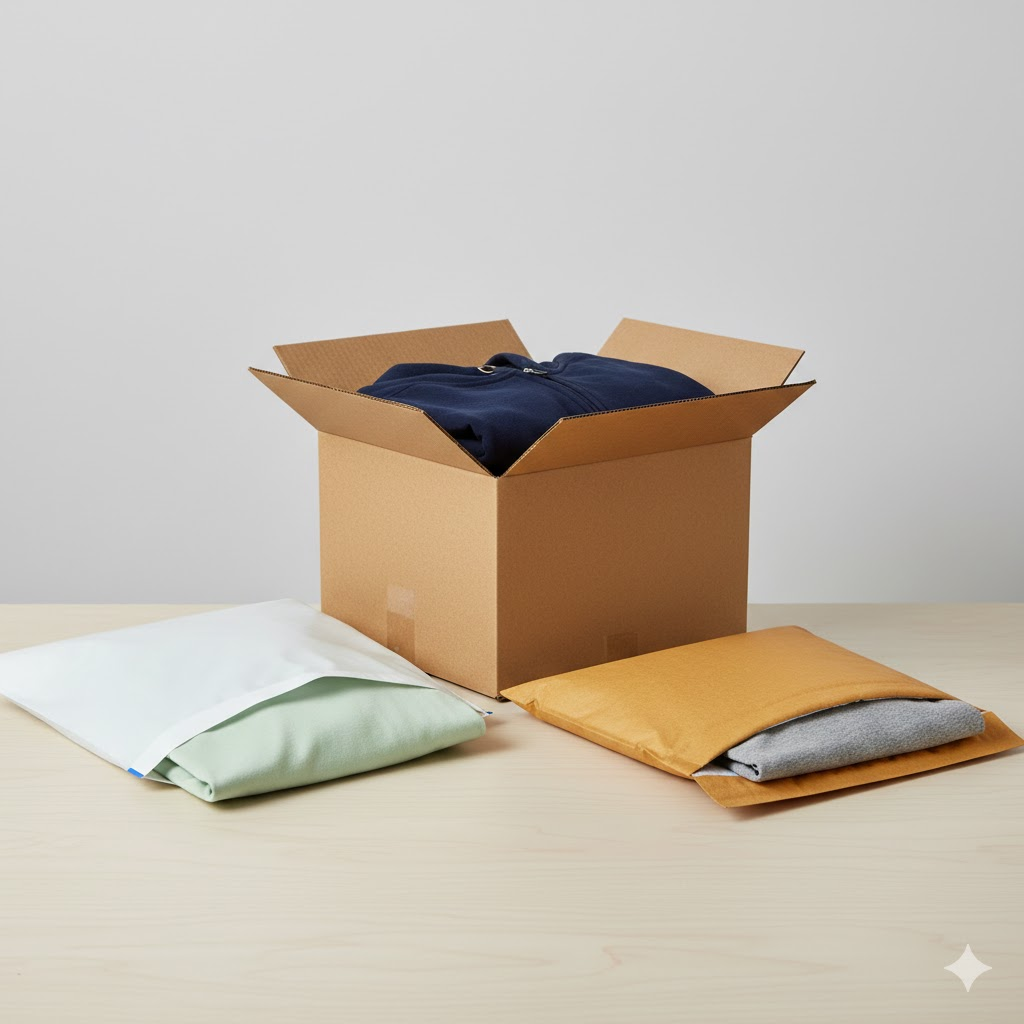
“Poly bag” can mean different things when people say "shipping." They usually mean an opaque poly mailer with a strong adhesive seal. For internal protection, we often use clear poly bags. Both play a role.
Opaque mailers protect privacy and give a clean look. Clear inner bags help us keep items organized, prevent scuffs, and add extra protection if something happens to the outer mailer. They also stay multi-item orders neat, which reduces buyer frustration.
Gusseted options help when shipping bulky items because they add volume without overstretching seams—resealable inner bags help for movers or organizers who want to open and close. For outward shipping, a permanent seal is usually more secure.
Closures and Handling Features
Closures save or sink a shipment. A strong self-seal adhesive speeds packing and keeps packages closed as they flex and shift. Weak adhesive leads to open-in-transit issues, creating immediate refund pressure.
Tear strips matter too. They make opening easier and reduce the risk that a buyer will cut the clothing while trying to open the package. Seam quality matters because seams can be stressed when a package is dragged, dropped, or lifted from one corner.
Labels also need a smooth surface and a firm press. We apply the label to a flat area, smooth it down, and avoid placing it across wrinkles. Small handling habits like that prevent delivery delays caused by peeling labels.
When we choose high-quality closures for clothes and postage bags, we reduce the most common failure points without adding complexity.
T-Shirt Shipping Done Right
For t-shirt packaging, we want a tidy arrival with minimal cost. A consistent fold solves half the problem. We fold the shirt into a clean rectangle that matches the mailer shape, keep it flat, and avoid tight compression that creates hard corners.
Use this mini-guide when choosing poly mailers for shipping clothes for tees.
|
Tee shipment |
Suggested mailer size |
Suggested thickness |
|
Single tee |
9 x 12 or 10 x 13 |
1.5–2.5 mil |
|
Two tees |
10 x 13 or 12 x 15.5 |
2.0–2.5 mil |
|
Three tees |
12 x 15.5 |
2.5–3.0 mil |
This is usually the best way to mail a shirt- fold consistently, choose a mailer that fits without forcing it, seal cleanly, and consider an inner bag if presentation matters.
When Poly Bags Aren’t the Best Choice
Poly mailers handle most apparel well, but they aren’t perfect for every scenario. If the item needs to hold a shape, a box may be safer. If the item creases easily and presentation matters, a box can prevent problems. If the product includes sharp hardware, such as buckles or metal edges, punctures are a real risk unless we protect those points carefully.
Savings Breakdown
Savings come from fewer damaged shipments, lower shipping waste, and faster packing—oversized mailers waste space. Understrength mailers fail and create reships. Right-sizing and right-thickness prevent both.
Speed matters too. Self-seal mailers reduce time per order. Standardizing a few sizes keeps packing predictable. For businesses, that consistency reduces mistakes. For resellers and movers, it reduces frustration and helps keep supplies simple.
Bulk buying also helps when we ship regularly. Buying cases lowers per-unit cost and keeps operations steady. The best strategy is to choose two to four sizes that cover most of what we ship, then stock those consistently.
|
Choice |
What it prevents |
How it saves money |
|
Right-sized mailer |
slack, tearing, wasted space |
fewer damages, less waste |
|
Correct thickness |
seam splits, punctures |
fewer reships and refunds |
|
Self-seal closure |
extra taping |
faster packing |
|
Inner bag option |
scuffs, moisture exposure |
fewer complaints |
|
Case quantities |
supply gaps |
lower unit cost |
FAQs
1) What thickness works best for a single t-shirt?
A mid-range mailer usually works best for tees. If the shirt is lightweight and ships alone, a lighter option can work. If we want fewer risks at seams and corners, stepping up slightly helps.
2) What size mailer fits a hoodie without forcing it?
A larger mailer that allows a comfortable fold typically works best. Hoodies create bulk at the hood and cuffs, so extra room prevents seam stress and makes sealing easier.
3) Are clear poly bags the same as mailers?
No. Clear bags often serve as inner protection and organization. Mailers serve as the outer shipping layer designed for labeling and transit handling.
4) Do poly mailers protect clothing from rain?
They usually resist moisture well when sealed correctly. For extra protection, we can add an inner bag for higher-value items.
5) What is the best way to mail a shirt so it arrives neat?
Use a consistent fold, pick a mailer that fits without extra slack, and seal it cleanly. An inner bag helps keep the shirt tidy and clean.
Wrapping Up
When we match size and thickness to the garment, we ship cleaner, faster, and with fewer issues. The right bags for shipping clothes reduce seam splits, protect against moisture, and keep orders looking professional without adding unnecessary cost.
If we want a dependable setup for shipping apparel at any volume, StarBoxes can supply the right mailer sizes, thickness options, and inner bag solutions for real-world handling. Choose StarBoxes poly mailers and apparel packaging supplies that match our shipping process, and we’ll spend less time fixing problems and more time moving orders out the door.